Treasure Hunting for Bombshells: How to Build a Killer Vintage Pin-Up Collection on Any Budget
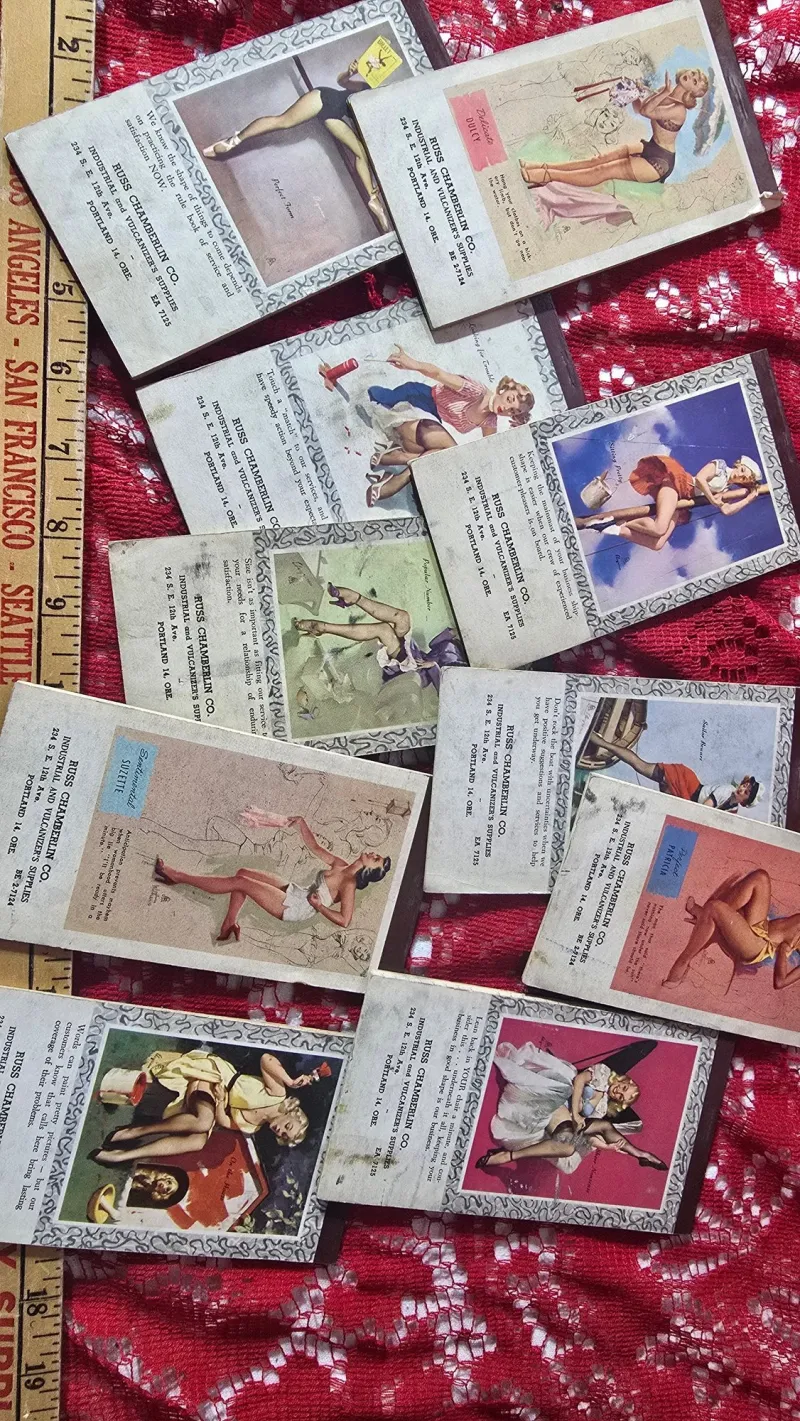
Photo: vintage pin-up memorabilia collection antique calendar prints ephemera, via www.pictureserver1.auctionninja.com
There's something undeniably electric about holding a piece of mid-century pin-up history in your hands. Maybe it's a dog-eared calendar page featuring a Vargas girl, or a glossy magazine pull-out that some GI tucked into his footlocker in 1944. Whatever the item, the thrill of the find is half the appeal—and the good news is you don't need a Hollywood salary to get started.
Vintage pin-up collecting has been quietly booming for the better part of two decades, attracting everyone from academic historians to devoted fans of retro aesthetics. The market has matured enough that there's genuine infrastructure around it: specialty dealers, authentication services, collector communities, and auction houses that take the genre seriously. But it's still accessible enough that a determined beginner with a modest budget can score genuinely meaningful pieces.
Here's how to do it right.
Know What You're Actually Looking For
The term "pin-up collectible" covers an enormous range of material, and your first job is figuring out where your passion lives. Broadly speaking, the category breaks down into a few major segments:
Original artwork and photography — This is the holy grail tier. We're talking actual prints, negatives, or paintings produced during the golden age (roughly 1930s–1960s). These command serious prices, often starting in the hundreds and climbing into the thousands for anything tied to recognizable artists like Gil Elvgren, Alberto Vargas, or George Petty.
Printed ephemera — Calendars, magazine pages, lobby cards, sheet music covers, and advertisements featuring pin-up imagery. This is where most new collectors start, and for good reason: the range is huge, the supply is relatively healthy, and you can find genuinely lovely pieces for $20–$150 depending on condition and subject.
Promotional and novelty items — Thermometer cards, playing cards, matchbooks, fan merchandise tied to specific models or photographers. These are often undervalued and make for a fun, quirky collection angle.
Photography and press prints — Actual photographic prints of pin-up models, particularly those featuring recognizable faces from the era, can be surprisingly affordable. A signed press photo of a lesser-known model might run $40–$80; anything connected to a major name like Bettie Page or Marilyn Monroe obviously carries a significant premium.
Where the Real Finds Actually Live
Forget the idea that you'll stumble onto a Vargas original at a church rummage sale. That ship has sailed. But there are still genuinely productive hunting grounds for the rest of us.
Estate sales remain one of the most reliable sources for mid-century printed material. Families clearing out homes from the 1940s–1960s generation frequently have no idea what's sitting in boxes in the attic. Apps like EstateSales.net let you preview listings by region, and it's worth showing up early on day one for anything tagged with "vintage magazines" or "military memorabilia."
Specialty dealers and antique shows are your best bet for authenticated, accurately described material. Yes, you'll pay more than you would at an estate sale—but you're also getting a seller who knows what they have and can often provide provenance documentation. The Antique Advertising Association of America hosts shows across the country where pin-up adjacent material frequently surfaces.
eBay and Etsy are double-edged swords. The inventory is vast, the prices are competitive, and the reproduction problem is real. More on that in a moment. That said, both platforms have legitimate sellers with strong feedback histories, and for printed ephemera in particular, they're hard to beat for sheer variety.
Auction houses like Heritage Auctions and Swann Galleries periodically run dedicated illustration art and vintage photography sales that include significant pin-up material. These are worth monitoring even if you're not ready to bid—the catalog descriptions are often mini-education pieces in themselves.
The Reproduction Problem (And How to Spot It)
This is where new collectors get burned, and it's worth spending some real time here. The vintage pin-up market has a reproduction problem. High-quality reprints of popular Elvgren and Vargas calendar images have been circulating for decades, and some of them are genuinely difficult to distinguish from originals at a glance.
A few practical tests that experienced collectors rely on:
-
Paper and printing technology — Authentic mid-century printed pieces used lithographic or letterpress processes that leave subtle texture and ink characteristics. Modern reprints often have a flatter, more uniform appearance. A loupe (jeweler's magnifying glass) will reveal dot patterns inconsistent with vintage printing if you're looking at a reproduction.
-
Paper aging — Genuine age produces foxing (brown spots), yellowing, and brittleness that's difficult to fake convincingly. Be skeptical of anything that looks suspiciously pristine for its supposed age, but also be aware that some reproductions are artificially aged.
-
Margins and trim marks — Original calendar pages and magazine prints often show evidence of their original binding or trimming. Reprints are typically cleaner and more uniform.
-
Provenance documentation — The more a seller can tell you about where a piece came from, the better. A calendar page that came out of a documented estate is more credible than one with no history.
When in doubt, the International Society of Appraisers maintains a directory of certified appraisers who specialize in paper and illustration art. For anything over $200, professional authentication is worth the cost.
Storing and Preserving What You Find
Authentic vintage material is fragile, and bad storage will destroy value faster than almost anything else. The basics aren't complicated, but they matter enormously.
Keep paper items away from direct light—UV exposure is the enemy of vintage printing inks and paper alike. Archival-quality polypropylene sleeves (not PVC, which off-gasses acids over time) are the standard for flat ephemera. Acid-free backing boards and archival boxes round out the setup. For anything significant, a climate-controlled environment—ideally 65–70°F with 30–50% relative humidity—is the gold standard.
Framed pieces should use UV-filtering glass or acrylic, and even then, keep them out of direct sunlight. The fading you'll see on unprotected vintage prints is irreversible.
What Actually Makes a Piece Valuable
Collectors we've spoken with consistently point to the same factors when assessing investment potential: condition, rarity, provenance, and connection to culturally significant figures or moments.
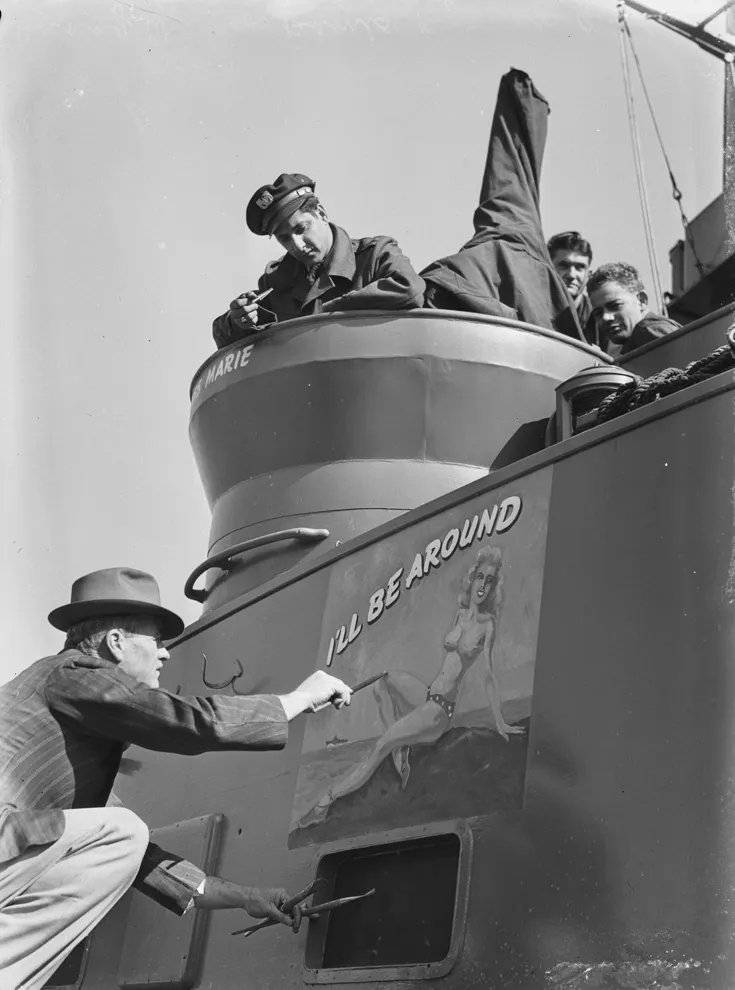
A common calendar print in good condition might be a lovely display piece but won't appreciate dramatically. The same image in near-mint condition, with original envelope and mailing label, suddenly has a story—and a market. Pieces tied to specific historical moments (WWII nose art documentation, for instance) or to models who've achieved cultural staying power carry premiums that tend to hold.
One collector based in Austin who's been building her collection for fifteen years put it simply: "I stopped chasing the prettiest image and started chasing the most complete story. A piece that tells you something—who made it, when, why, for whom—that's what holds value."
Starting Smart
If you're just getting into this, start with printed ephemera under $50 and use those early purchases as tuition. Handle as many pieces as you can, attend shows even when you're not buying, and connect with collector communities online—the Vintage Pin-Up Collectors group on Facebook is active and generally generous with knowledge.
The goal isn't to acquire everything at once. The best collections are built slowly, with intention, and they tell a personal story alongside the cultural one. That's the real treasure.