Bottled Bombshell: The Fragrances That Defined Pin-Up Culture and Where to Find Them Now
Photo: Joe Haupt from USA, CC BY-SA 2.0, via Wikimedia Commons
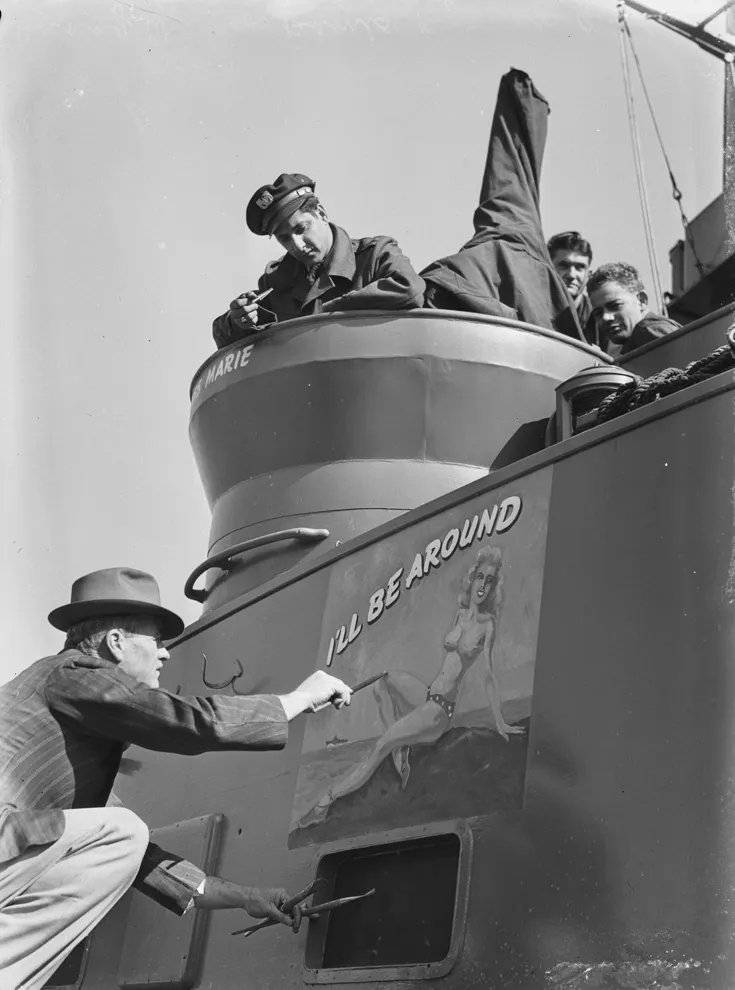
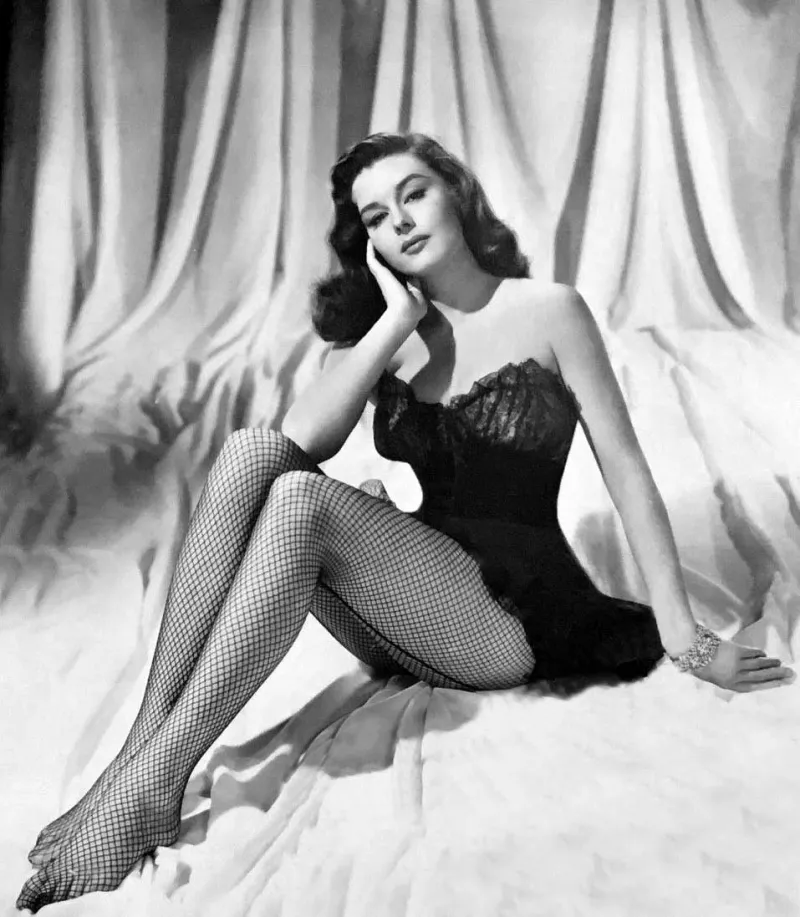
Close your eyes and picture the classic pin-up moment. Maybe it's a Vargas girl draped across a chaise longue, or a glossy wartime calendar girl grinning over her shoulder. Now imagine the room she's in actually smells like something. Because trust us — it did. Long before the look became iconic, there was a scent that made it complete. And that scent? It was deliberate.
The golden age of pin-up culture — roughly the 1940s through the early 1960s — happened to coincide with one of the most extraordinary eras in American perfumery. Women weren't just wearing fragrance as a finishing touch. They were using it as a kind of armor, a signal, a story told in top notes and dry-downs. If you want to understand the full picture of vintage femininity, you've got to follow your nose.
Why Scent Was Central to the Pin-Up Identity
Here's something the history books don't always mention: the pin-up era was, at its core, about aspiration. The women painted by Alberto Vargas or photographed for Esquire weren't just beautiful — they were idealized. And fragrance played directly into that fantasy.
During World War II, perfume became one of the few affordable luxuries available to American women. With fabric rationed and nylon stockings nearly impossible to find, a bottle of scent was a way to feel glamorous when everything else felt scarce. Women sent their favorite perfumes to soldiers overseas in letters. Pin-up models were photographed holding perfume bottles. The connection between scent and sensuality was baked right into the culture.
France still dominated the fragrance world at the time, and American women who could afford it reached for Parisian bottles like status symbols. But domestic perfumers were rising fast, and a distinctly American style of fragrance — bold, warm, unapologetically sexy — was beginning to take shape.
The Heavy Hitters: Fragrances That Defined the Era
Ask any fragrance historian about the pin-up years, and a handful of names come up almost immediately.
Chanel No. 5 is the obvious entry point — it launched in 1921 but hit its cultural peak right in the middle of the pin-up era. When Marilyn Monroe famously quipped that she wore nothing to bed but a few drops of No. 5, she wasn't just being coy. She was cementing the connection between the fragrance and a very specific kind of femininity: confident, a little dangerous, and completely in control.
Shalimar by Guerlain ran in a different direction — darker, more mysterious, with a heavy vanilla and incense base that felt almost transgressive. This was the scent of the pin-up who wasn't waiting around for anyone's approval. It was polarizing in the best possible way.
Tabu by Dana deserves way more credit than it typically gets. Launched in 1932 but enormously popular through the '40s and '50s, Tabu was the working-class bombshell's answer to Shalimar. Spicy, musky, and loaded with sandalwood and rose, it was cheap enough to buy at the drugstore and bold enough to make a room turn its head. It was unabashedly sexual at a time when that wasn't exactly encouraged, which is exactly why women loved it.
Arpège by Lanvin offered something a little softer — a floral aldehyde that felt elegant without being stuffy. If Tabu was the pin-up who worked at the factory and had a date that night, Arpège was the one who lunched at the department store counter and made it look effortless.
The Psychology Behind the Allure
So what was it about these particular fragrance profiles that worked so well with the pin-up aesthetic? Fragrance historians point to a few consistent threads.
The dominant scent families of the era — orientals, aldehydics, and heavy florals — all share one quality: presence. They don't whisper. They announce. In a cultural moment when women were simultaneously being told to be demure and being plastered on the noses of warplanes, fragrance was a way to take up space without saying a word.
There's also the warm, skin-forward quality of many classic pin-up-era scents. Musks, ambers, and vanillas were everywhere, and they were chosen because they interact with body heat in a way that feels genuinely intimate. You had to get close to fully experience them. That was entirely the point.
Perfumers of the era were also working with ingredients that have since been restricted or reformulated — real civet, oakmoss, certain synthetic musks — which gave vintage fragrances a depth and animalic warmth that's genuinely hard to replicate today. When people describe old perfumes as smelling "alive," that's not nostalgia talking. It's chemistry.
Hunting Down the Real Thing (and What to Try Instead)
If you want to smell like an actual golden-age bombshell, you've got a few options.
Vintage bottles still surface on eBay, Etsy, and at estate sales, though you're gambling on how well the juice has held up. Properly stored vintage perfume — cool, dark, away from fluctuating temperatures — can last decades. But a bottle that's been sitting in a sunny bathroom cabinet? That's a gamble. When shopping vintage, look for bottles that still have significant liquid remaining, minimal color change, and tight-fitting stoppers.
Several modern perfumers have made it their mission to recreate the spirit of classic pin-up-era scents. Chanel No. 5 and Shalimar are still in production, though both have been reformulated over the years. Purists can find older formulations through fragrance swap communities like Basenotes and Fragrantica.
For something new that channels the same energy, Serge Lutens Feminité du Bois captures that warm, woody sensuality beautifully. Lancôme Magie Noire (still available, though harder to find in the US) is as close to old-school Tabu energy as you'll get from a current production fragrance. And for the aldehydic floral lovers, Robert Piguet Baghari is a masterclass in that crisp, powdery glamour that defined the era.
Wearing Vintage Scent Today
Here's the thing about fragrance that makes it different from every other element of the pin-up aesthetic: you can't see it in a mirror. It's entirely about how it makes you feel — and how it makes the people around you react.
There's something genuinely powerful about spritzing on a scent with a 70-year history and walking into a room. You're not just wearing perfume. You're carrying a lineage. Every woman who wore Shalimar to a dance hall in 1944, every factory worker who saved up for a bottle of Tabu, every calendar girl who had her favorite fragrance sitting on the vanity behind the camera — you're connected to all of them in this tiny, invisible way.
The pin-up era understood that glamour is total. It's not just the seams on your stockings or the arch of your brow. It's every single sense, working together to create something unforgettable.
So next time you're putting together your vintage look, don't forget the final layer. The one nobody can see, but everybody notices.