Nostalgia Is the New Black: How Savvy Beauty Entrepreneurs Are Cashing In on Retro Glamour

Photo: Pedro Ribeiro Simões from Lisboa, Portugal, CC BY 2.0, via Wikimedia Commons
There's a reason your favorite beauty influencer keeps showing up in victory rolls and a bold red lip. It's not just a look — it's a business strategy. Across the United States, a generation of cosmetics founders, content creators, and aesthetic entrepreneurs are tapping into the timeless appeal of vintage pin-up culture to build brands that are turning serious profit. And the numbers don't lie: the global vintage cosmetics and retro beauty market has been on a steady upward climb, with consumers actively seeking out the kind of polished, intentional glamour that feels like a deliberate antidote to the unfiltered, no-makeup-makeup aesthetic that dominated the last decade.
So what's driving the boom? And more importantly, how are the savviest players in this space actually making it work?
The Nostalgia Economy Is Very Much Open for Business
When cultural historians talk about nostalgia as a commercial force, they're usually referring to something soft and sentimental — a warm fuzzy feeling that makes people buy things. But the entrepreneurs building beauty brands around pin-up aesthetics are working with something sharper than that. They're tapping into a very specific kind of longing: a desire for femininity that feels powerful rather than passive, glamorous rather than effortless, and intentional rather than accidental.
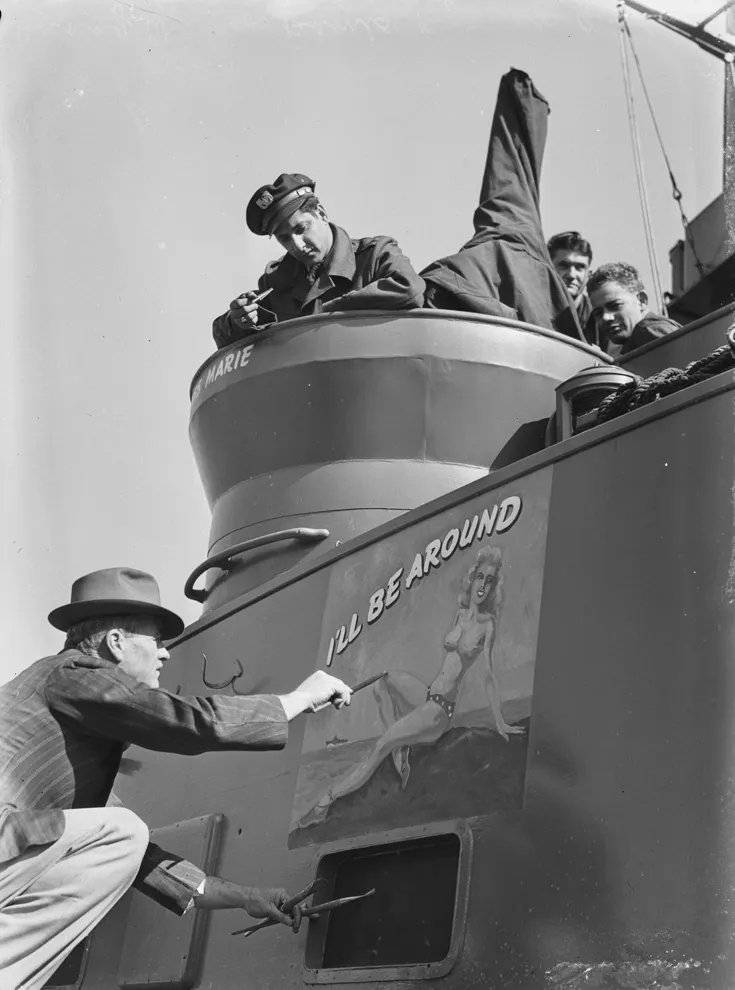
The golden age of pin-up — roughly the 1940s through the early 1960s — gave the world an image of womanhood that was unapologetically decorated. High color, structured silhouettes, and a kind of theatrical self-presentation that said I dressed for myself and I dressed to be seen. That energy translates incredibly well to a modern consumer culture that's increasingly skeptical of minimalism and hungry for personality.
For beauty entrepreneurs, the vintage aesthetic offers something rare in a crowded market: instant visual coherence. A brand built around retro pin-up imagery doesn't have to explain itself. The cat eye, the victory roll, the cherry red lip — these are cultural shorthand for a whole worldview, and consumers recognize them immediately.
Building a Brand on a Brushstroke
Take the indie cosmetics space as a case study. Over the past several years, small-batch lipstick brands with names like Vixen, Bombshell, and Parlor Trick have carved out loyal followings by leaning hard into pin-up visual language — not just in product packaging, but in every piece of content they produce. The founders of these brands aren't just selling lipstick; they're selling a persona, a lifestyle aspiration, and a community.
The strategy works because it layers multiple revenue streams naturally. A brand with a strong retro-glamour identity can sell cosmetics, yes, but it can also sell tutorials, digital lookbooks, vintage-inspired apparel collaborations, and even paid membership communities where fans can access exclusive styling content. The aesthetic becomes the platform, and the platform becomes the business.
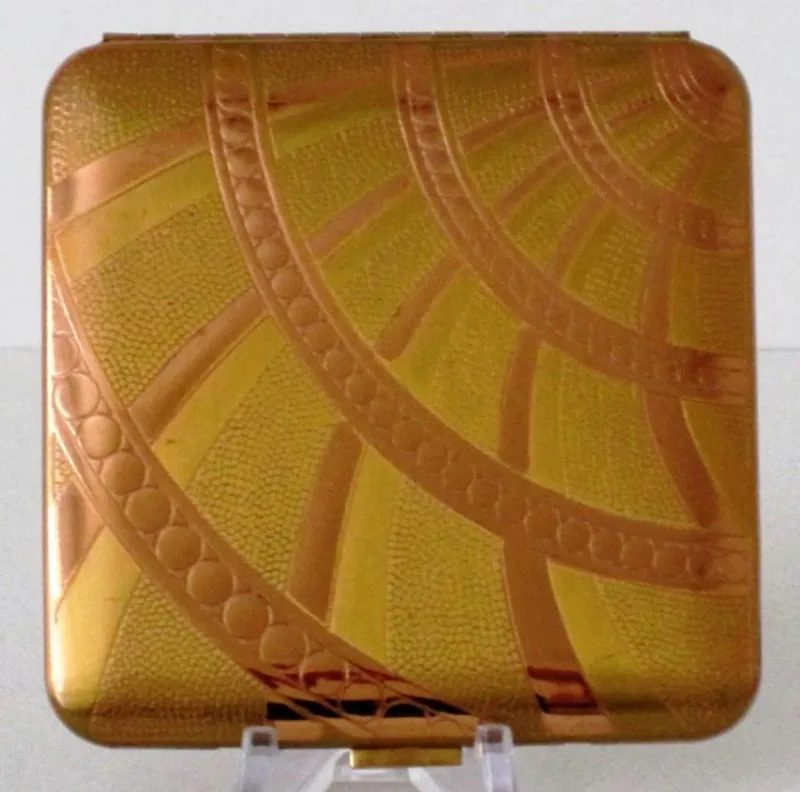
Content creators have been especially quick to recognize this dynamic. Beauty influencers who built their followings around pin-up tutorials — think detailed breakdowns of 1950s contouring techniques or deep-dives into the history of Max Factor's Hollywood palette — have found that their audiences are unusually loyal and unusually willing to spend. There's a reason for that: people who seek out vintage beauty content aren't casual scrollers. They're enthusiasts. They're collectors. They're the kind of consumer who will buy the limited-edition rouge compact because it completes a set, not just because they need blush.
The Authenticity Factor
Here's where things get interesting — and where a lot of aspiring entrepreneurs stumble. The retro-glamour market rewards genuine knowledge and genuine passion in a way that more trend-driven spaces don't. Consumers who are drawn to pin-up aesthetics tend to be historically literate about the culture. They know their Vargas from their Elvgren. They can spot an anachronistic product placement from a mile away, and they're not shy about calling it out.
This means that the most successful beauty entrepreneurs in this space aren't just using vintage imagery as wallpaper. They've done the research. They can speak fluently about the history of the looks they're recreating, the cultural context behind them, and the evolution of the techniques involved. That depth of knowledge becomes a competitive moat — it's genuinely hard to fake, and it creates the kind of trust that translates directly into sales.
For anyone looking to enter this market, the homework is non-negotiable. Spend time with the source material. Study the original photographers and illustrators. Learn the names of the models who defined the era. Understand why the aesthetic looked the way it did — the wartime material restrictions that shaped 1940s silhouettes, the Hollywood studio system that manufactured and maintained a very particular image of femininity, the way pin-up culture both reflected and complicated the gender norms of its time. That context doesn't just make you more credible; it makes your content richer and more compelling.
Monetizing the Aesthetic: A Practical Playbook
So you want to build something in this space. Here's what the most successful operators have figured out:
Own a niche within the niche. The vintage beauty world is big enough to support specialists. Maybe your lane is 1940s wartime makeup specifically, or the glamour photography of the early 1950s, or pin-up-inspired nail art. Narrowing your focus actually expands your authority and makes you easier to find.
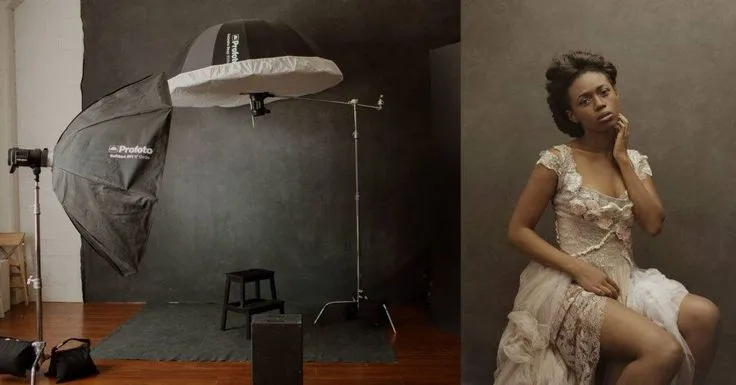
Invest in visual consistency. The retro-glamour aesthetic is a high-craft visual language. Inconsistent or low-quality imagery will undercut your brand immediately. Whether you're shooting product photos, creating tutorial content, or building out your social presence, the visual standard needs to be high and it needs to be consistent.
Build community, not just an audience. The consumers drawn to vintage beauty culture are enthusiasts, and enthusiasts want to connect with each other, not just consume content passively. Platforms that facilitate community — whether that's a Discord, a Patreon, a private Facebook group, or an in-person event series — tend to generate significantly higher loyalty and lifetime value than broadcast-only approaches.
Collaborate across categories. Some of the most interesting brand-building in this space is happening at the intersection of beauty, fashion, home décor, and lifestyle. A beauty entrepreneur with a strong retro-glamour identity is a natural collaborator for a vintage-inspired clothing brand, a mid-century modern home goods company, or even a craft cocktail bar with a 1950s theme. Cross-category partnerships expand your reach without diluting your identity.
The Long Game
What makes the pin-up aesthetic such a durable foundation for a beauty business is precisely what makes it resistant to trend cycles. It's not chasing what's new — it's drawing from something that already proved its staying power. The women who built their personal brands around this aesthetic five years ago aren't scrambling to pivot; if anything, their positioning has gotten stronger as the broader culture has caught up with their vision.
At Pin-Up 365, we've watched this space evolve with genuine admiration. The entrepreneurs getting it right aren't just nostalgists — they're strategists who recognized that the most powerful brand stories are the ones rooted in something real. And there aren't many things more real, or more enduring, than the particular kind of glamour that a red lip and a knowing look can still deliver, decade after decade.