More Than a Pretty Face: How Golden Age Pin-Up Queens Quietly Built Business Empires
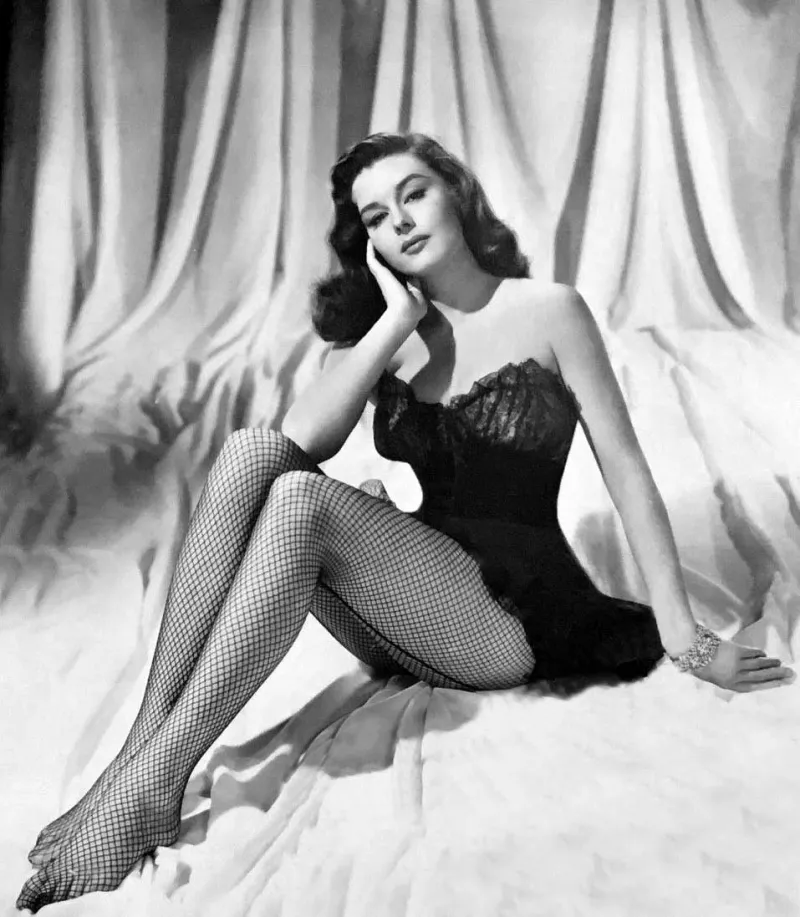
Photo: vintage 1950s pin-up model photography studio behind the scenes glamour, via image.glamourdaze.com
There's a version of pin-up history that gets told over and over — the curves, the come-hither looks, the iconic calendar shots. But underneath all that glamour was something a lot of people overlook: serious business acumen. The women who defined the Golden Age of pin-up (roughly the 1940s through the early 1960s) weren't just showing up to photo shoots and cashing checks. Many of them were negotiating their own deals, cultivating personal brands, and in some cases, running the whole operation themselves.
In an era when women were largely expected to step aside once they got married — or once they hit thirty — these women were playing a completely different game.
The Contract Game Was Cutthroat, and They Learned Fast
The pin-up industry operated on a strange mix of glamour and exploitation. Photographers, calendar companies, and magazine publishers held most of the cards early on. Models were often paid flat rates for full rights to their images, meaning a single shoot could generate decades of royalties for the publisher while the model saw nothing beyond that first check.
But the savvier women caught on quickly. Betty Page — perhaps the most recognizable pin-up figure in American pop culture — is a fascinating case study. While she never became wealthy during her peak years, Page was deliberate about which photographers she worked with and which she didn't. She gravitated toward Irving Klaw and his sister Paula, whose operation gave her more creative latitude than most. She wasn't just a subject; she was a collaborator.
Other models took even bolder steps. Some began negotiating percentage deals on calendar sales rather than accepting flat session fees. A few went so far as to copyright their own stage names and likenesses — a legally murky but forward-thinking move for the time.
When the Models Picked Up the Camera
One of the most underreported chapters in pin-up history is the number of women who transitioned from in front of the lens to behind it. Photography studios in cities like Los Angeles, Chicago, and New York were largely male-dominated spaces, but a handful of women broke through in ways that deserve far more attention than they typically get.
Paula Klaw, who co-ran Irving Klaw's Movie Star News and associated mail-order photo business in New York, was instrumental in shaping what the operation looked like creatively. While her brother often gets the historical credit, Paula was deeply involved in correspondence with clients, curation of content, and the day-to-day running of what became one of the most influential pin-up distribution businesses of the era.
Beyond the Klaw operation, there were studio assistants who worked their way up to becoming photographers in their own right, and models who began styling and directing their own shoots once they understood the visual language well enough. The knowledge they accumulated on set was essentially a free education in visual marketing — and the smart ones used it.
Brand Power Before Anyone Called It That
Here's what's genuinely remarkable: these women were building personal brands decades before social media, decades before influencer culture, and decades before any business school started offering courses on self-promotion. They understood — intuitively, if not formally — that their image was an asset that required careful management.
Take the way many top-tier pin-up models cultivated signature looks. A specific hair color, a recurring style of lingerie, a particular expression that became associated with their name. These weren't accidents. They were deliberate choices designed to create instant recognition. Fans who collected calendars or magazine clippings could identify their favorites at a glance, and that recognition translated directly into demand.
Some models leveraged that recognition into merchandise deals, personal appearance fees, and even small acting roles. The calendar and magazine exposure functioned almost exactly the way social media reach does today — it was a numbers game, and the women who understood that built the most durable careers.
The Real Hustle: Navigating an Industry Built Against Them
Let's not romanticize it too much. The pin-up industry had a dark side, and many women were taken advantage of — underpaid, uncredited, and discarded once they were deemed past their commercial peak. The entrepreneurial success stories exist alongside a lot of exploitation, and it's important to hold both truths at once.
What made the women who thrived stand out wasn't just talent or looks. It was a willingness to treat their careers like businesses even when the industry didn't want them to. They asked questions. They read contracts (or found people who could). They networked strategically. They understood that the window of peak demand was finite and planned accordingly.
Several models used their earnings from pin-up work to fund entirely separate ventures — boutique clothing shops, beauty schools, photography studios of their own. The glamour was the vehicle, not the destination.
What Modern Creators Can Take From This
If you're a content creator in 2024 navigating platform algorithms, licensing agreements, and the constant churn of building an audience, the Golden Age pin-up model has more to teach you than you might expect.
The core principles are identical: own your image, understand your contracts, diversify your revenue streams, and never let the platform — whether that's a calendar company or a social media app — hold all the leverage. The women who built lasting careers in the Golden Age did so by treating themselves as the business, not just the product.
They also understood the value of consistency. Showing up, year after year, with a recognizable aesthetic and a loyal audience isn't a new idea. It's just a very old one that happens to work.
The heist wasn't the glamour. The heist was quietly building something that lasted long after the cameras stopped rolling — and doing it in an era that told them it wasn't possible.