Behind the Lens: The Visionary Men Who Made Pin-Up Magic
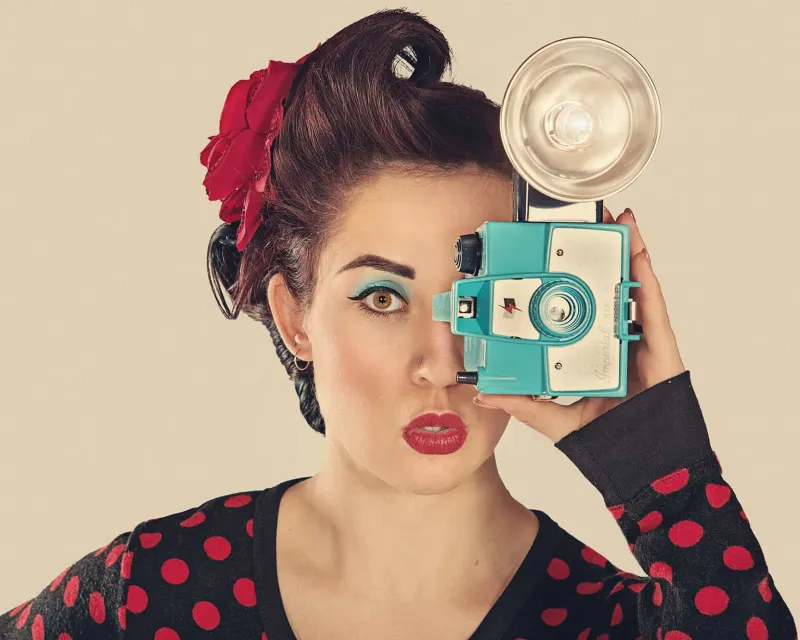
Photo: vintage 1950s pin-up photography studio glamour retro camera, via image12.photobiz.com
Before the digital filter and the Instagram grid, a handful of brilliant photographers were doing something genuinely revolutionary — turning the female form into art that millions of Americans couldn't look away from. These were the guys behind the cameras during pin-up's golden age, and their fingerprints are all over the glamour photography you love today.
From the late 1940s through the early 1960s, American culture was in a strange and exciting tension. The country had just come through World War II, the suburbs were booming, television was creeping into living rooms — and yet, underneath all that postwar propriety, there was an enormous appetite for something a little more daring. Pin-up photography was the answer to that hunger. And the men holding the cameras were every bit as important as the women stepping in front of them.
Peter Gowland: The Craftsman of Natural Beauty
If you've ever seen a pin-up photograph that felt genuinely warm — like the woman in the frame was actually having a good time — there's a decent chance Peter Gowland took it. Working primarily out of his Hollywood home studio, Gowland had a gift for making his subjects feel at ease in front of the camera, which translated directly onto film. His images had a breezy, sun-kissed California quality that set him apart from the more theatrical studio work that dominated the East Coast.
Gowland wasn't just a photographer — he was also an inventor. He designed and built his own cameras, including the Gowlandflex, a twin-lens reflex camera specifically engineered for glamour work. That technical obsession gave him an edge. He understood light in a way that was almost scientific, and he used that knowledge to sculpt his subjects rather than simply photograph them. His work appeared in Playboy, Modern Man, and dozens of other publications throughout the 1950s, and he stayed active well into the 1990s — proof that his approach never really went out of style.
Russ Meyer: The Maximalist Who Rewrote the Rules
Russ Meyer is probably best known today as a filmmaker — his cult movies like Faster, Pussycat! Kill! Kill! have a devoted following — but before he was making movies, he was one of the most distinctive glamour photographers working in America. Meyer's aesthetic was loud, bold, and unapologetically excessive. Where other photographers went for softness and subtlety, Meyer went for impact.
He got his start shooting for Playboy in its very early days, and his images had an energy that felt almost cinematic even in still form. His models were larger than life — confident, powerful, and utterly in command of the frame. Meyer wasn't interested in the demure, girl-next-door quality that defined a lot of 1950s pin-up work. He wanted spectacle, and he got it. That theatrical sensibility carried directly into his film career and cemented his reputation as one of the era's true originals.
What's fascinating about Meyer's influence is how contemporary it feels. The body-positive, bold, unapologetically sexual energy of his work looks remarkably modern next to a lot of his contemporaries. He was ahead of his time in ways that the culture is still catching up to.
Alberto Vargas: The Painter Who Blurred Every Line
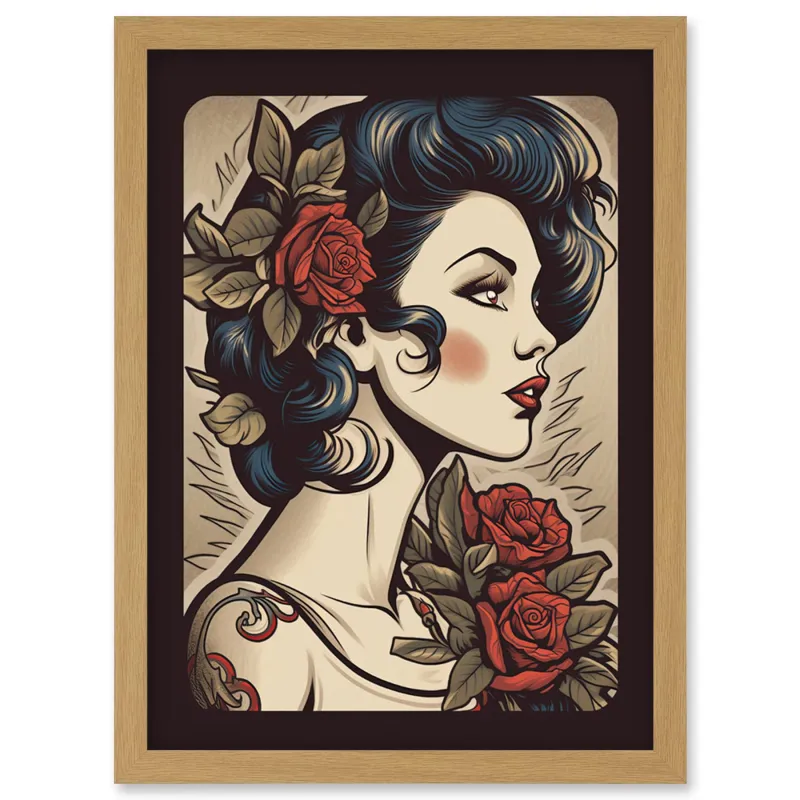
Okay, technically Alberto Vargas was an illustrator, not a photographer — but no list of pin-up image-makers is complete without him, and his influence on photography was enormous. The Peruvian-born artist spent decades creating the idealized, airbrushed pin-up figures that became synonymous with Esquire and later Playboy, and his "Vargas Girls" set a visual standard that photographers actively worked to match.
Vargas understood something fundamental about desire and fantasy: it's not really about realism. His figures were elongated, luminous, and impossibly graceful — and that's exactly what made them so compelling. Photographers who worked in the same era were constantly trying to translate that painterly quality into actual photography, which pushed them toward better lighting techniques, more careful posing, and a deeper attention to the relationship between subject and background.
His work also helped define the color palette of the era — those warm peaches, coral reds, and soft blues that feel immediately "vintage" to modern eyes. That color sensibility has had a massive influence on contemporary retro-inspired photography and design.
The Studio System and the Art of the Set
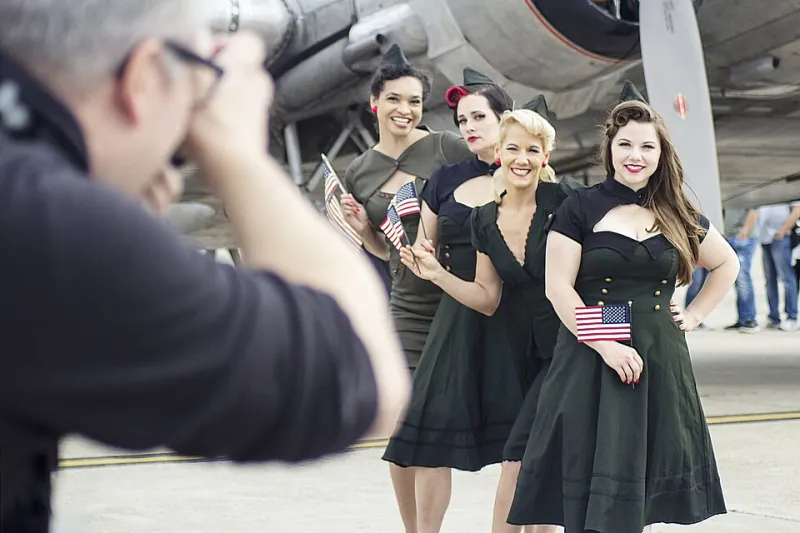
One thing that often gets overlooked when people talk about golden-age pin-up photography is how much work went into building the world around the subject. These weren't quick snaps — they were carefully constructed environments. Props, costumes, furniture, lighting rigs — all of it was deliberate. The photographers of this era were essentially set designers and directors as much as they were camera operators.
The influence of Hollywood was everywhere. Many of the top glamour photographers had direct connections to the film industry, either shooting promotional stills for studios or working with actresses who crossed over into pin-up modeling. That relationship gave the genre a cinematic quality — a sense that every photograph was a still from a movie that existed only in the viewer's imagination.
Why Their Legacy Still Matters
The techniques these photographers developed — the careful use of natural and artificial light, the emphasis on the subject's personality rather than just their appearance, the deliberate construction of a fantasy environment — are still the foundations of glamour photography today. You can see their influence in editorial fashion shoots, in boudoir photography, and obviously in the retro-inspired content that we celebrate here at Pin-Up 365 every single day.
There's also something worth saying about the cultural courage these photographers showed. They were working in an era when the boundaries of acceptable imagery were actively contested — censorship boards, postal regulations, community standards laws. The fact that they produced work of genuine artistic merit under those conditions is remarkable.
The golden age of pin-up photography wasn't just about beautiful women in pretty clothes. It was about a group of genuinely talented artists figuring out how to capture something elusive — the intersection of beauty, confidence, and fantasy — and make it feel real enough to pin on a wall and dream about. That's a harder thing to do than it looks. And nobody did it better than the legends behind these lenses.