Speak Without Speaking: How Golden Age Pin-Ups Turned Body Language Into an Art Form
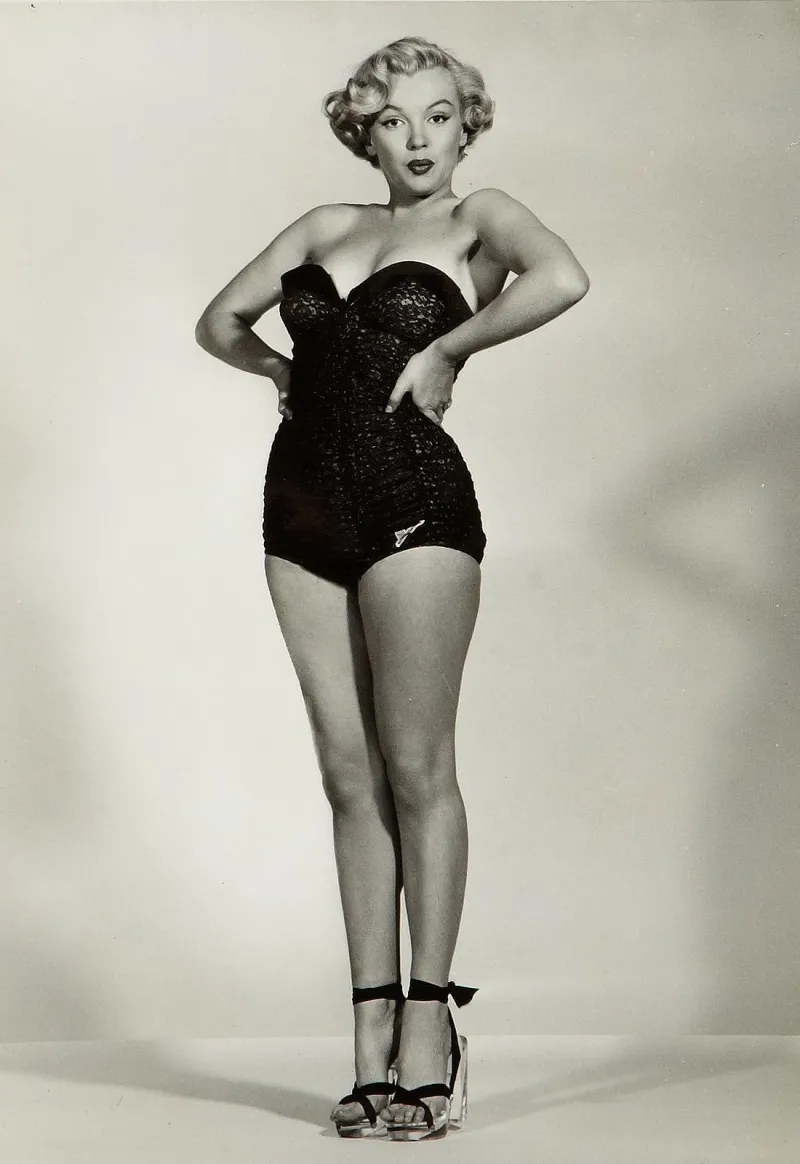
Photo: vintage 1950s pin-up model posing retro photography studio glamour, via 1.bp.blogspot.com
There's a reason you can't look away from a great vintage pin-up image. It's not just the hair, the lighting, or the perfectly tailored sweater. It's something harder to name — a feeling that the woman in the frame is telling you something, even though she's completely still and completely silent. That's not an accident. The models, photographers, and art directors of the Golden Age built an entire visual language out of posture, positioning, and the precise geometry of the human body. And once you understand how it worked, you'll never look at a pin-up the same way again.
The Frame Was a Stage
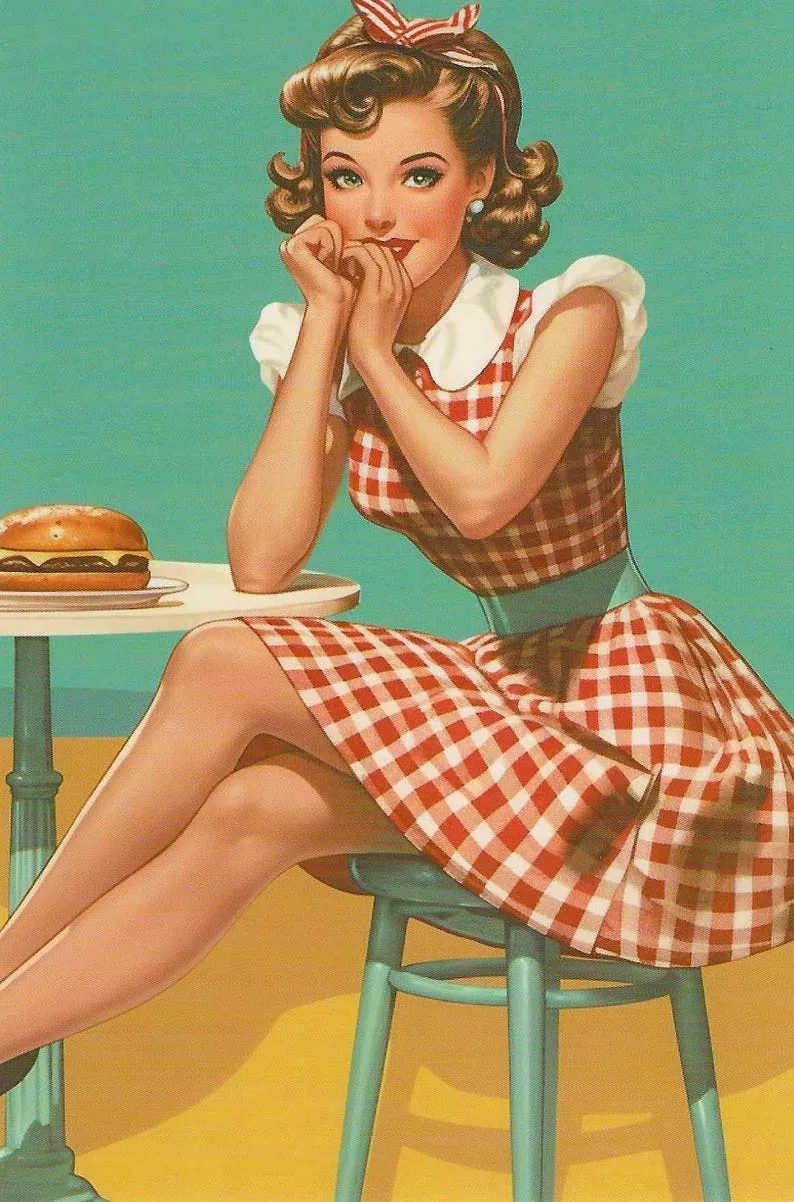
Think of every classic pin-up photograph as a tiny piece of theater. The model wasn't just standing somewhere looking pretty — she was performing a character within a carefully constructed scene. A girl perched on a fence post, skirt fluttering, one hand raised in mock surprise? That's a story. A woman draped across a chaise longue with a slow, knowing smile and one leg lazily extended? Completely different story. Same era, same general aesthetic, but the body language flips the entire emotional register.
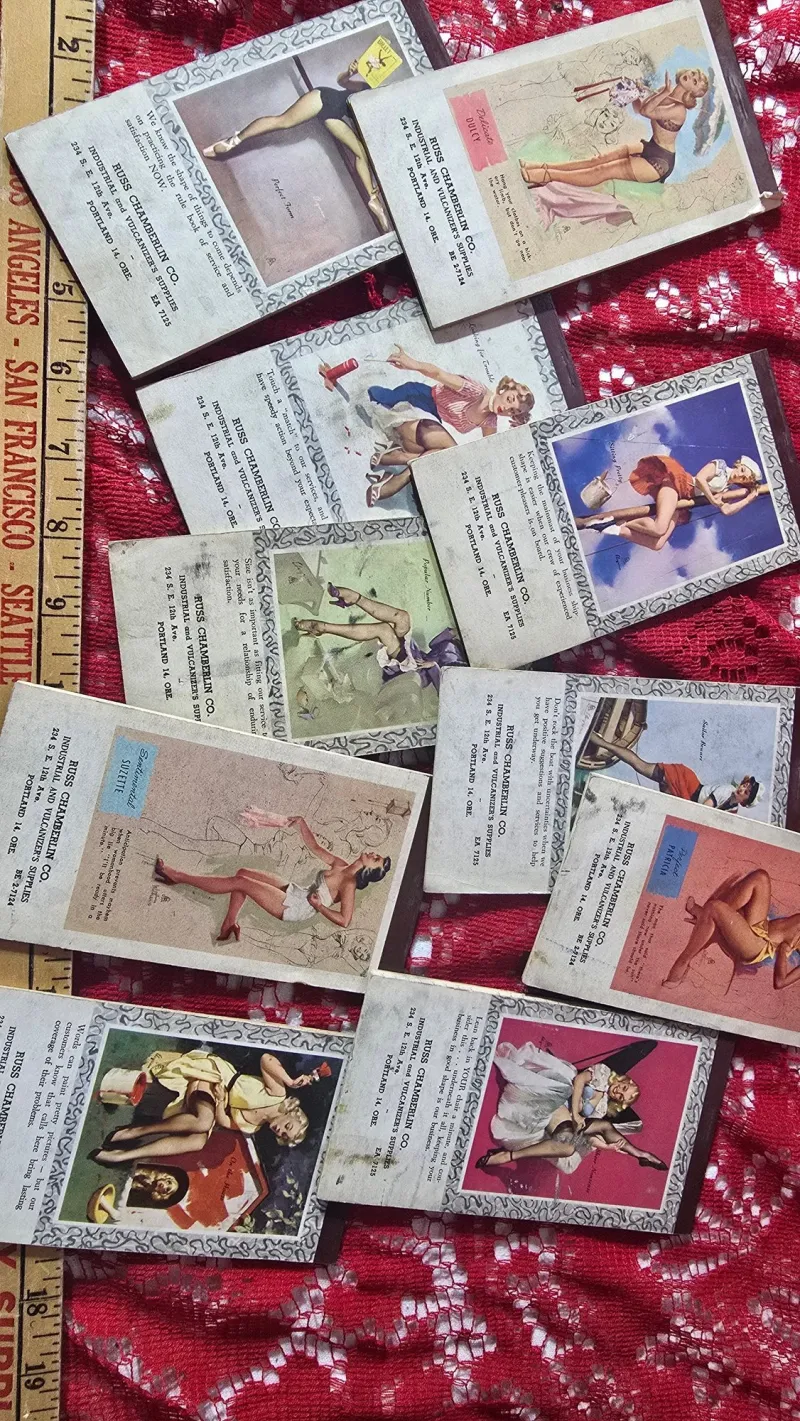
Golden Age photographers like Alberto Vargas, Gil Elvgren, and their contemporaries understood that a static image had to do the work of an entire narrative arc in a single frame. The model's body was the primary storytelling tool. Every angle was deliberate. Every gesture was chosen.
The Architecture of Attention
So what were the actual mechanics? Let's break it down.
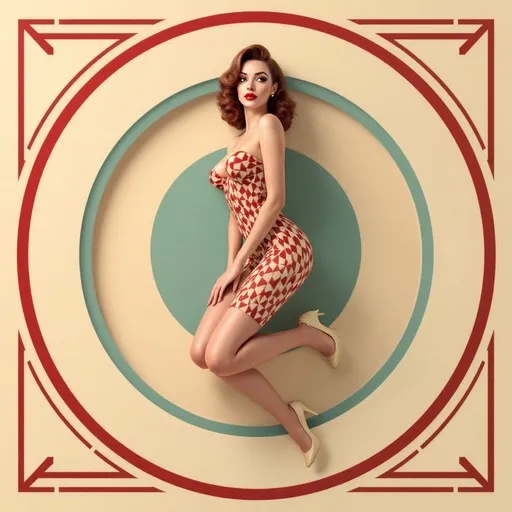
The S-Curve was probably the most foundational element in the pin-up pose vocabulary. By shifting weight onto one hip and allowing the spine to follow a natural, flowing line, models created a shape that the human eye finds almost irresistibly appealing. It's not about exaggerating curves for their own sake — it's about creating movement in a still image. The eye travels. It follows the line from shoulder to waist to hip and keeps going. That sense of implied motion is what gives classic pin-ups their energy.
The Head Tilt was another essential tool, and it communicated a surprising range of emotional tones depending on direction and degree. A slight tilt toward the viewer — chin down, eyes up — reads as playful and a little conspiratorial. It pulls you in. A tilt away, with the gaze returning over a raised shoulder, creates distance and mystery. It says I see you noticing me, and I find that amusing. These are completely different power dynamics expressed through a movement of maybe two inches.
Eye Contact with the Camera deserves its own conversation. In everyday life, sustained eye contact signals confidence, challenge, or intimacy. In a pin-up image, it does all three simultaneously. The models who made the most memorable images weren't gazing vaguely into the middle distance — they were looking at you, specifically. That direct engagement is what makes certain vintage photographs feel alive decades after they were taken. You feel seen by someone who has been gone for sixty years. That's a remarkable thing.
What the Hands Were Really Doing
Hands are notoriously difficult to pose naturally, and amateur photographers trip over this constantly. Golden Age pin-up models turned hands into punctuation marks. A hand resting lightly on the hip added authority. Fingers loosely curled around a prop — a telephone receiver, a bouquet, the brim of a hat — suggested ease and comfort within the scene. Hands raised near the face or neck created softness and approachability.
What you almost never see in a well-executed vintage pin-up is hands hanging stiffly at the sides or gripped tensely around something. The hands were always doing something, even when the gesture was minimal. They were always communicating.
Confidence as a Physical State
Here's the piece that's easy to overlook: all of this technique was in service of projecting a specific internal state. The goal wasn't just to look attractive — it was to look confident. Unapologetically, warmly, sometimes cheekily confident. The best Golden Age pin-up images feel like a woman who is completely comfortable in her own skin, fully aware that she's being photographed, and entirely unbothered by that fact.
That quality — let's call it relaxed ownership — is something that can't be faked by technique alone. The models who became icons understood that posture and expression had to match an internal attitude. You can arch your back and tilt your head all day, but if your eyes are anxious or your jaw is tight, the image reads as uncomfortable. The physical vocabulary only works when it's backed up by genuine ease.
This is actually the most transferable lesson for modern practitioners, whether you're stepping in front of a camera for the first time or you've been doing pin-up shoots for years. The pose is the external expression of an internal state. Get the internal state right — relaxed, present, a little playful — and the physical details tend to fall into place more naturally.
Reading the Narrative in a Single Image
One of the most interesting exercises you can do with vintage pin-up photography is to look at a collection of images and try to read the character being portrayed before you look at any captions or context. The body language almost always tells you something specific. Is she caught mid-action, surprised but delighted? Is she waiting for someone, patient and self-possessed? Is she challenging the viewer, daring you to look away?
Golden Age pin-up culture developed a surprisingly rich set of these character archetypes — the mischievous girl-next-door, the sophisticated lounger, the athletic outdoor type, the glamorous siren — and each archetype had its own associated physical vocabulary. Artists like Elvgren were essentially writing short stories with posture and expression, relying on an audience fluent enough in visual language to read them correctly.
What It Means for the Modern Pin-Up
For anyone engaging with pin-up aesthetics today — whether as a model, a photographer, or just someone who loves the visual history — understanding this physical vocabulary is genuinely useful. It shifts your approach from how do I look? to what am I saying? And that's a much more interesting question to be working with.
The Golden Age models weren't passive objects arranged for someone else's viewing pleasure. They were active communicators, using their bodies to project personality, narrative, and power within a very specific visual tradition. That's a legacy worth understanding. And honestly? It's a skill worth practicing.
Next time you're flipping through a vintage pin-up collection, slow down. Look at the hands. Notice where the weight is. Follow the line of the spine. Read the eyes. There's a whole conversation happening in every image — and once you learn the language, it's impossible to stop hearing it.