Corsets, Curves, and Control: Why Modern Women Are Owning the Pin-Up Aesthetic on Their Own Terms
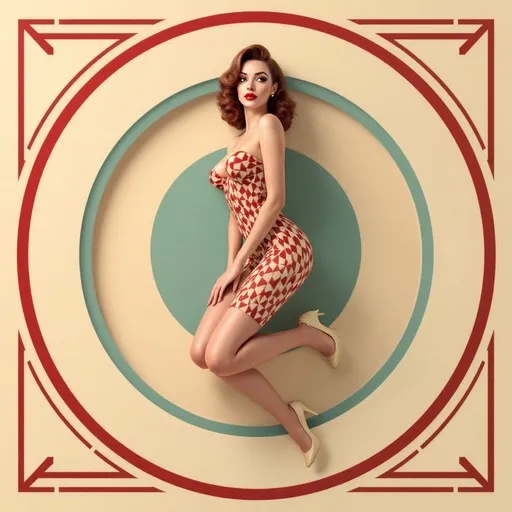
Photo: confident vintage pin-up woman retro glamour empowerment studio portrait, via images.stockcake.com
There's a moment in every pin-up photo shoot — seasoned performers will tell you this — where something clicks. The red lip goes on, the seams of the stockings line up just right, and suddenly the woman in the mirror isn't just dressed up. She's in charge. It's a feeling that's hard to explain to someone who's never experienced it, and even harder to square with decades of cultural criticism that framed the entire pin-up tradition as something done to women rather than by them.
That tension is exactly what makes the pin-up conversation so fascinating right now. In 2024, the aesthetic sits at a genuinely complicated crossroads — simultaneously celebrated as feminist self-expression and critiqued as internalized objectification. And honestly? Both camps make fair points. The real story, as usual, lives somewhere in the middle.
Where the Criticism Comes From (And Why It Still Has Legs)
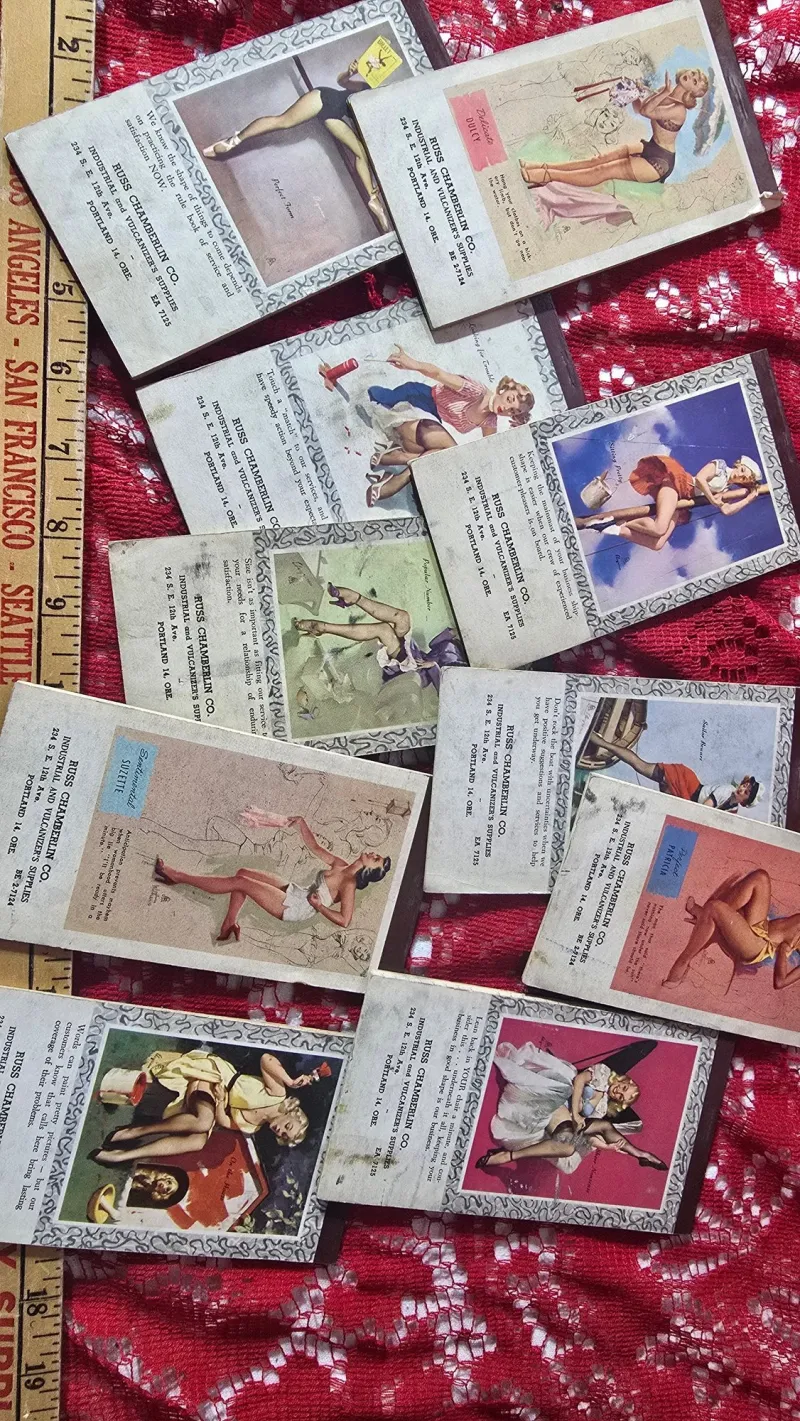
It's worth being honest about the history here. The golden age pin-up — roughly the 1940s through the early 1960s — was largely an industry built by men, marketed to men, and often produced under conditions that gave the women involved very little creative control. George Petty and Alberto Vargas painted their idealized figures for male audiences. Calendar girls and magazine centerfolds existed to sell products, boost wartime morale, and, yes, provide titillation. The women in those images were frequently anonymous, their names unknown while the artists who rendered them became legends.
Second-wave feminism in the 1970s pushed back hard against this tradition, and not without reason. The argument was straightforward: when women's bodies are used as decorative objects to please a male audience, that's not empowerment — that's exploitation wearing a pretty dress.
That critique didn't disappear. Cultural historians and gender studies scholars still raise it, and it's a legitimate lens through which to examine the original material. The question is whether it applies with the same force when the context shifts entirely.
The Reclamation Project
Here's where things get interesting. The women driving the modern pin-up revival — performers, photographers, burlesque artists, cosplayers, and everyday enthusiasts from Portland to Nashville — are operating in a fundamentally different landscape than their 1940s counterparts.
Take someone like a veteran burlesque performer based in Chicago who's been working the circuit for over a decade. She describes her relationship with the pin-up aesthetic in blunt terms: "I chose every single thing about this. The character I play, the costume, the music, what I take off and what I don't. Nobody is directing me. Nobody owns the image. That's the opposite of what people think pin-up is about."
That sense of authorship is the crux of the reclamation argument. When a woman in 2024 shows up to a pin-up photo shoot having selected her own wardrobe, negotiated her own boundaries, and retained rights to her own images, the power dynamic looks nothing like a 1950s calendar shoot. The aesthetic may be vintage, but the agency is entirely contemporary.
Dr. Miriam Lash, a cultural historian who specializes in 20th-century American popular culture, puts it this way: "The original pin-up was produced within a specific set of social and economic constraints. Women had fewer options, less legal protection, and almost no control over how their images were used. To apply that same critique to a woman in 2024 who is deliberately, consciously, and joyfully participating in this aesthetic ignores everything that's changed."
The 'Choice' Debate Isn't Simple Either
Not everyone is ready to call it settled, though. Critics of the "it's my choice" framing point out that individual choices don't exist in a vacuum. We're all shaped by the culture around us, and a culture that has spent decades associating femininity with a very specific, very narrow beauty ideal can influence what feels like a free choice.
There's a version of this argument that resonates even among pin-up enthusiasts themselves. Several performers interviewed for this piece acknowledged that the aesthetic does center a particular body type, a particular kind of femininity, and a particular racial presentation — criticisms that the community has been actively wrestling with. The body positivity angle of modern pin-up culture, while genuinely present and meaningful, sometimes bumps up against the fact that the original iconography was overwhelmingly white, hourglass-figured, and conventionally pretty by mid-century American standards.
"I love this community," says a plus-size pin-up model and content creator based in Atlanta. "But I also think we have to be honest about which bodies the vintage aesthetic was originally designed to celebrate, and make sure we're doing the actual work of expanding that — not just saying we're inclusive while still centering the same silhouette."
It's a fair challenge, and one the community is at different stages of answering.
What Feminism Actually Looks Like in a Victory Roll
Here's the thing about the pin-up paradox: it might not need to be resolved so much as held. The tension between the aesthetic's complicated origins and its contemporary reclamation isn't a bug — it's kind of the point. Engaging seriously with that history while still claiming the look as your own is itself a sophisticated act.
For many women, the appeal of vintage glamour is precisely that it requires effort — not the effortless, Instagram-filtered kind of beauty that dominates contemporary culture, but a deliberate, skilled, almost theatrical construction of femininity. Victory rolls don't just happen. A perfect cat-eye takes practice. That intentionality is part of what makes the aesthetic feel powerful rather than passive.
Brooklyn-based photographer and pin-up shoot director Carla Mendez, who has photographed hundreds of women in vintage-inspired sessions over the past eight years, sees it consistently. "Women come in nervous and leave feeling like a different person. Not because they look like someone else — because they found a version of themselves they didn't know was there. That's not objectification. That's discovery."
The Bigger Picture
The pin-up paradox, ultimately, reflects a broader truth about feminism in the 21st century: the movement has largely made peace with the idea that there is no single correct way to be a liberated woman. The old debates about whether wearing lipstick or heels was complicity with patriarchy have mostly given way to a more nuanced understanding — that context, consent, and authorship matter more than the specific choices a woman makes.
By that framework, the modern pin-up isn't a contradiction. She's a pretty clear example of the principle in action: a woman who knows her history, has done her reading, and still walks into the studio in a wiggle dress because she wants to.
And if that makes some people uncomfortable — well, that's kind of been the pin-up's job from the very beginning.