Read the Room: What Classic Pin-Up Poses Were Actually Saying
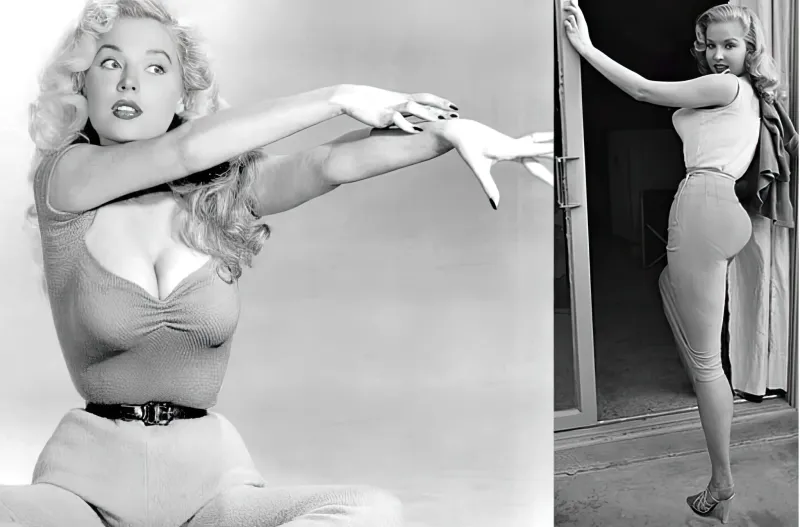
Photo: vintage 1950s pin-up photography pose composition retro glamour studio, via rarehistoricalphotos.com
Look at a great vintage pin-up image long enough and you start to feel like something's being said directly to you — even if you can't quite put your finger on what it is. That's not an accident. The most enduring pin-up photographs from the 1940s and 1950s were built on a precise visual vocabulary, a shared language between models, photographers, and their audience that communicated volumes through subtle physical cues.
Think of it as the original visual content strategy. Every element in the frame was a choice, and those choices added up to a specific emotional message. Here's how to read it.
The Eyes Have It: Gaze Direction and What It Signals
The single most powerful communicative tool in any pin-up image is where the model's eyes are pointed — and what they're doing when they get there.
Direct eye contact with the camera was the boldest possible statement. It collapsed the distance between the image and the viewer, creating an almost confrontational intimacy. Models who could hold a direct gaze without looking aggressive or cold were incredibly valuable because they made every person looking at the photo feel personally addressed. This was the pose of confidence, of invitation, of someone who knew exactly what they were doing.
The over-the-shoulder look served a completely different purpose. Physically, it suggested the model had been caught mid-movement — as if she was on her way somewhere and paused just long enough to notice you. It implied spontaneity while being entirely staged, and that tension between candid and constructed was a huge part of its appeal. It said: I'm not waiting around for you, but I did notice you.
Downcast eyes — looking at a prop, at the ground, or at nothing in particular — read as softer and more vulnerable. This gaze invited the viewer into a more protective, less charged dynamic. It was often paired with a slight smile, creating an air of gentle daydreaming.
Hands Tell the Story Nobody's Reading
In pin-up photography, hands were doing an enormous amount of narrative heavy lifting that most casual viewers never consciously register.
A hand resting at the collarbone or lightly touching the neck was a classic vulnerability signal — drawing attention to a soft, exposed area while suggesting a kind of self-soothing gesture. It read as simultaneously delicate and alluring. Photographers like Gil Elvgren understood this instinctively; his painted pin-ups frequently featured this exact hand placement because it softened what might otherwise have been an overtly sexual image into something that felt more personal and approachable.
Hands on hips, by contrast, were a power statement. This pose widened the silhouette, projected confidence, and suggested someone who was comfortable taking up space. In the context of 1940s and 1950s gender norms, a woman standing with hands on hips in a pin-up image was making a quietly radical statement about self-possession.
Then there were the playful hand gestures — holding a prop awkwardly, tugging at a skirt hem, or covering a mouth in mock surprise. These were the visual equivalent of a wink. They deflected any potential discomfort in the viewer by framing the image as lighthearted and fun rather than purely sexual. The humor was a permission slip.
Props Weren't Decoration — They Were Dialogue
Every prop in a classic pin-up image was doing communicative work. Nothing was there just to fill space.
The telephone was one of the most loaded props in the genre. A model on the phone — especially with that dreamy, slightly distracted expression — placed the viewer in the fantasy of being the person on the other end of the line. It was intimate without being explicit, and it gave the image a narrative that extended beyond the frame.
Animals, particularly cats and dogs, softened the overall tone of an image considerably. They introduced warmth, domesticity, and a kind of playful energy that made the model seem more approachable. A woman posing alone in lingerie reads very differently than the same woman with a kitten in her lap. The prop changed the entire emotional register.
Vehicles — cars, motorcycles, even bicycles — carried their own symbolic weight. They connected the model to freedom, movement, and a certain all-American adventurousness. The pin-up perched on a vintage convertible wasn't just a pretty image; she was a statement about mobility and independence that resonated deeply in postwar America.
Composition and the Art of the Almost
One of the most sophisticated techniques in pin-up photography was what the image almost showed. The genre was built on strategic incompleteness — the skirt that's just caught by the wind, the strap that's just slipped off the shoulder, the button that's just come undone.
This wasn't just about working around censorship (though that was certainly part of it). The almost was actually more powerful than explicit revelation because it activated the viewer's imagination. The brain fills in what the eye doesn't see, and what it constructs is always perfectly tailored to the individual viewer. The best pin-up photographers understood this deeply. They were in the business of suggestion, not documentation.
Composition also played with scale and framing to create hierarchy of focus. A low camera angle made the subject appear larger and more commanding. A slightly elevated angle softened the subject and emphasized vulnerability. The deliberate choice of which body parts to center in the frame versus which to crop out was a constant negotiation between the photographer's vision and the model's comfort — and the best shoots were genuine collaborations.
How Today's Creators Are Reviving the Code
What's fascinating about the current resurgence of vintage pin-up aesthetics in contemporary content creation is how intentionally modern creators are engaging with this visual grammar — sometimes to honor it, sometimes to subvert it.
Creators who shoot in a classic pin-up style often use direct eye contact and hands-on-hips poses to communicate the same confident self-possession those images conveyed seventy years ago. Others deliberately invert the traditional codes — using the over-the-shoulder look in contexts that flip the expected power dynamic, or repurposing classic props with modern irony.
The visual language isn't frozen in amber. It's a living system that gets reinterpreted by every generation that picks it up. And understanding the original grammar — what each choice was designed to communicate — is what separates creators who are consciously working within a tradition from those who are simply imitating a surface aesthetic.
The poses meant something then. They still mean something now. You just have to know how to read them.